How 3PL Reporting and Inventory Visibility Prevent Overselling and Fulfillment Mistakes
At Square1 Distribution & Logistics, we've worked with ecommerce brands that came to us frustrated by inventory discrepancies, stockouts, delayed reporting, and customer complaints that seemed to appear out of nowhere.
In most cases, inventory was not the real problem.
Visibility was.
From our centrally located fulfillment operation in Springfield, Missouri, we support ecommerce brands nationwide with inventory visibility, fulfillment reporting, and scalable order fulfillment solutions. Our central U.S. location helps reduce transit times while providing brands across the country with the operational visibility needed to grow confidently.
Many of the brands that contact us are not looking for their first fulfillment provider. They are looking for a better one. They are frustrated by delayed reporting, poor communication, unanswered questions, and inventory discrepancies they cannot explain. In our experience, those frustrations almost always point back to a lack of visibility.
As brands grow across Shopify, Amazon, wholesale accounts, subscription programs, and other sales channels, maintaining inventory accuracy becomes increasingly challenging. Without real-time inventory visibility and reliable reporting, small discrepancies can quickly become overselling issues, fulfillment mistakes, canceled orders, and unhappy customers.
For growing ecommerce brands, inventory visibility is no longer a nice feature. It is a critical operational requirement.
What Is Inventory Visibility in Fulfillment?
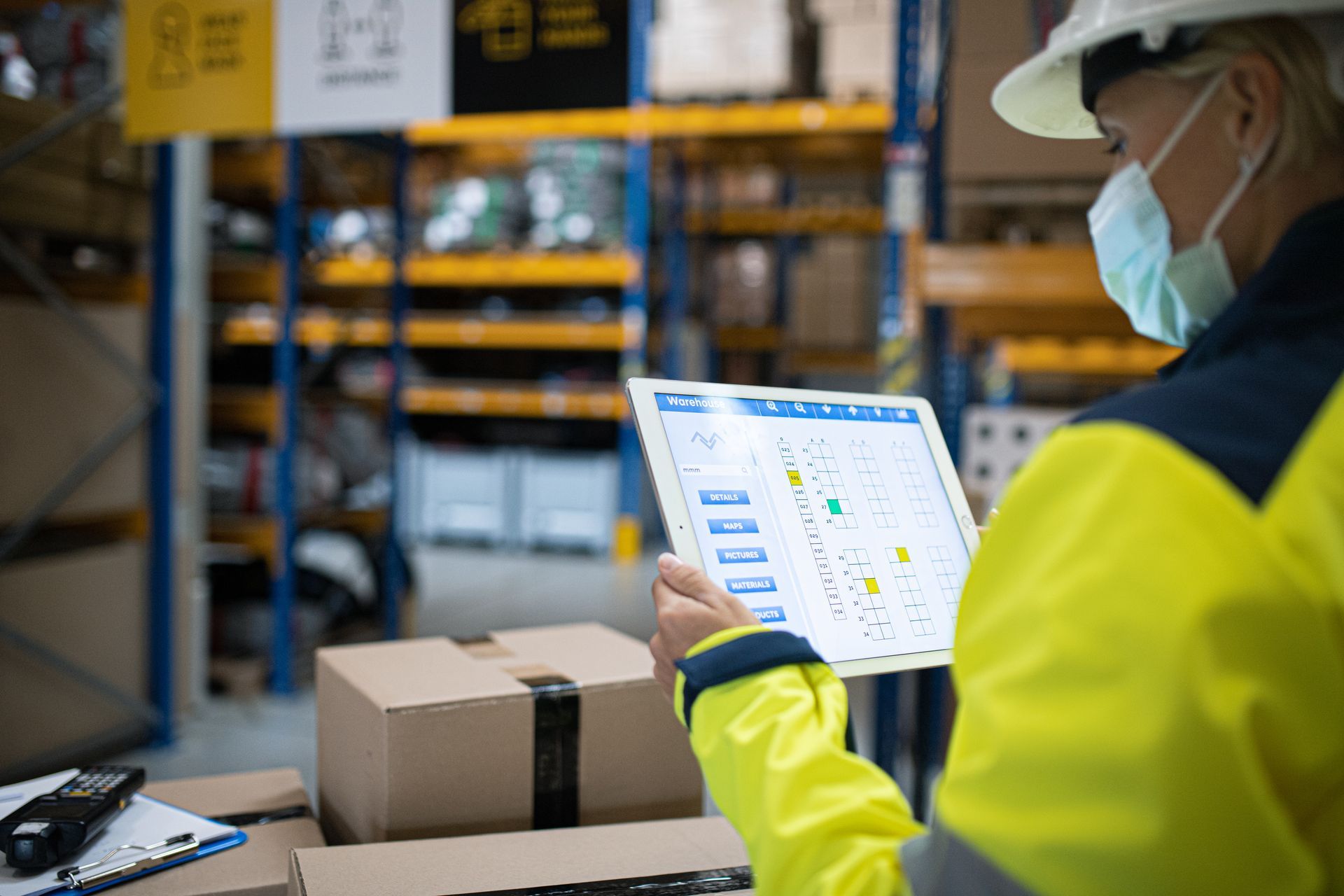
Inventory visibility is the ability to accurately track inventory levels, movement, availability, and status throughout the fulfillment process.
For growing brands, this means understanding more than simply how much inventory is sitting in a warehouse.
Inventory visibility includes:
- Available inventory
- Reserved inventory
- Incoming inventory
- Returned inventory
- Damaged inventory
- Inventory by SKU
- Inventory by sales channel
- Inventory movement throughout the warehouse
This information helps businesses make informed purchasing, marketing, forecasting, and operational decisions based on real data rather than assumptions.
What Inventory Visibility Actually Includes
Many companies assume inventory visibility means knowing their inventory count.
In reality, true inventory visibility provides a much deeper understanding of inventory availability.
For example, a brand may have 1,000 units physically present in a warehouse. However, some inventory may already be allocated to pending orders, reserved for subscription shipments, tied to marketplace sales, or temporarily unavailable due to quality control concerns.
Without real-time visibility into those variables, inventory numbers become increasingly unreliable.
Why Spreadsheet Tracking Breaks Down as Brands Grow
Spreadsheets often work well for emerging brands.
As order volume increases and inventory begins moving across multiple channels, manual tracking becomes increasingly difficult to maintain.
Inventory updates occur at different times. Reports are generated from different systems. Marketplace activity may not synchronize immediately.
Eventually, decision-making becomes reactive instead of proactive.
Why Overselling Happens More Often Than Most Brands Realize
Most overselling situations are not caused by poor inventory management.
They are caused by poor inventory visibility.
Inventory Updates Are Too Slow
Inventory systems that update slowly create opportunities for products to continue selling after inventory has already been depleted.
This often becomes problematic during:
- Product launches
- Prime Day promotions
- Holiday sales
- Influencer campaigns
- Flash sales
Even minor synchronization delays can create significant customer service problems.
Inventory Exists in Multiple Systems
Modern ecommerce brands frequently manage inventory across multiple platforms simultaneously.
| Sales Channel | Potential Visibility Challenge |
|---|---|
| Shopify | Inventory updates lag behind order activity |
| Amazon | Marketplace inventory discrepancies |
| Wholesale Portals | Manual inventory allocations |
| Subscription Programs | Reserved inventory not reflected elsewhere |
| Retail Accounts | Inventory commitments affecting available stock |
Without proper synchronization, every system may display different inventory levels.
Seasonal Demand Magnifies Existing Problems
Periods of increased order volume often expose visibility issues that remain hidden during slower periods.
This is particularly true leading into Prime Day, major promotional events, and Q4 fulfillment season.
What We See Most Often When Brands Switch 3PL Providers
One of the most common conversations we have with prospective clients starts with reporting frustration.
Brands tell us they struggle to understand inventory levels, trust inventory reports, or get answers when discrepancies appear.
Many companies believe they have a fulfillment problem when the real issue is a reporting and visibility problem.
Common challenges include delayed inventory updates, inventory counts that differ across systems, limited reporting access, no proactive low-stock notifications, inventory adjustments without explanation, and poor communication when discrepancies occur.
These issues create uncertainty that impacts every part of the business.
The Real Cost of Inventory Inaccuracy
Inventory discrepancies affect much more than warehouse operations.
Customer Experience Suffers
When inventory data is inaccurate, customers often experience:
- Backorders
- Order cancellations
- Delayed shipments
- Refund requests
- Negative reviews
Customers generally do not distinguish between the brand and the fulfillment provider. They simply expect accurate inventory and reliable delivery.
Operational Costs Increase
Inventory inaccuracies create additional work throughout the organization.
Teams spend valuable time investigating orders, correcting records, responding to customer concerns, and resolving avoidable issues.
Revenue Opportunities Are Lost
Overselling is only part of the problem.
Inventory discrepancies can also prevent customers from purchasing products that are actually available.
This often creates hidden revenue loss that businesses do not immediately recognize.
What Causes Inventory Discrepancies?
Inventory discrepancies typically occur when inventory updates are delayed, inventory is managed across disconnected systems, receiving processes lack verification, or inventory adjustments are not properly tracked. As brands grow and sales channels multiply, these small gaps can compound into stockouts, overselling, fulfillment mistakes, and customer service issues.
How Modern 3PL Reporting Improves Inventory Accuracy
Professional fulfillment providers rely on technology, reporting systems, and operational processes designed to improve visibility.
Real-Time Inventory Tracking
Inventory updates should occur continuously throughout warehouse operations.
This includes:
- Inventory receiving
- Order picking
- Order shipping
- Returns processing
- Inventory adjustments
Real-time updates help reduce discrepancies before they become customer-facing problems.
Centralized Inventory Synchronization
One of the most important benefits of modern fulfillment technology is centralized inventory synchronization.
When inventory is allocated to an order, stock levels should automatically update across connected sales channels.
This helps maintain consistency between Shopify, Amazon, marketplace platforms, wholesale portals, and other systems.
Barcode Verification Reduces Fulfillment Errors
Inventory visibility and order accuracy go hand in hand.
Many warehouse operations utilize barcode verification throughout the picking and packing process.
| Verification Point | Business Benefit |
|---|---|
| SKU Validation | Confirms correct product selection |
| Order Verification | Reduces fulfillment mistakes |
| Inventory Movement Tracking | Improves inventory accuracy |
| Packing Confirmation | Supports order accuracy |
Automated Inventory Reconciliation
Strong fulfillment operations do not wait until year-end to verify inventory.
Core inventory accuracy processes typically include:
- Cycle counts
- Inventory audits
- Receiving verification
- Variance reporting
- Exception tracking
- Ongoing reconciliation
According to the Warehouse Education and Research Council (WERC), inventory accuracy remains one of the most important warehouse performance indicators.
Predictive Reporting Supports Better Inventory Planning
Strong reporting systems help brands make smarter future decisions.
Predictive reporting often provides visibility into:
- Inventory velocity
- Reorder timing
- Seasonal demand patterns
- Product performance trends
- Inventory turnover
These insights support more accurate purchasing decisions and reduce stockout risk.
Why Reporting Often Becomes a Frustration With Large 3PL Providers
One theme we hear repeatedly from brands switching fulfillment providers is frustration with communication.
As some 3PL providers grow larger, reporting often becomes less personal and less accessible.
Instead of receiving direct answers, clients may encounter:
| Common Frustration | Business Impact |
|---|---|
| Support ticket systems | Slower issue resolution |
| Delayed reporting | Reduced operational visibility |
| Limited account access | Less confidence in inventory data |
| Unexplained discrepancies | Increased customer service workload |
| Poor communication | Decision-making delays |
For many brands, reporting transparency becomes just as important as fulfillment performance.
At Square1, direct communication is one of the things clients mention most often when they switch from another provider. When inventory questions arise, brands need answers quickly. They should not have to wait days for a ticket to be reviewed while inventory problems continue affecting customers.
Signs Your Current 3PL May Have a Reporting Problem
You may be dealing with a reporting issue if:
- Inventory reports require manual requests.
- Inventory counts change without explanation.
- Support tickets take days to resolve.
- Reports arrive after problems have already occurred.
- Nobody can clearly explain inventory discrepancies.
- Your team lacks confidence in inventory numbers.
These situations often indicate visibility challenges that deserve closer attention.
Why Visibility Matters Even More for Beauty, Supplement, and Specialty Products
Some industries require an even greater level of inventory control.
At Square1, we have extensive experience supporting beauty brands, cosmetics companies, supplement manufacturers, and businesses shipping sensitive liquid products nationwide.
These categories often require:
- Lot tracking
- Product rotation
- Expiration management
- Temperature-controlled storage
- Regulatory compliance
- Batch-level inventory visibility
Our facility is FDA registered for food, cosmetics, and medical implements, and we maintain IATA certification for shipping certain dangerous goods. Combined with our temperature and humidity-controlled warehouse environment, these capabilities create additional reporting and tracking requirements that many standard fulfillment operations never encounter.
When reporting visibility is limited, the risk extends beyond inventory discrepancies.
Businesses may also face compliance concerns, inventory aging issues, product waste, and customer experience problems.
Inventory Visibility Problems We Commonly Find During 3PL Transitions
| Common Issue | Potential Business Impact |
|---|---|
| Delayed inventory updates | Overselling and stockouts |
| Poor reporting access | Slower operational decisions |
| No low-stock alerts | Unexpected inventory shortages |
| Inventory discrepancies | Customer complaints |
| Limited visibility across channels | Forecasting challenges |
Many of these issues can be resolved once brands gain access to better reporting, stronger inventory controls, and more responsive communication.
Questions to Ask a 3PL About Reporting and Visibility
Can I Access Inventory Data in Real Time?
Real-time visibility provides significantly greater operational control.
How Frequently Is Inventory Updated?
Inventory updates should occur continuously throughout warehouse activity.
What Reports Are Available?
Ask to review inventory reports, receiving reports, shipping reports, and exception reports.
How Are Inventory Discrepancies Investigated?
The answer often reveals how seriously a provider treats inventory accuracy.
Who Do I Contact With Questions?
Responsive communication remains one of the most overlooked aspects of a successful fulfillment partnership.
Why Visibility Becomes More Important During Peak Sales Seasons
Inventory visibility becomes increasingly important during periods of elevated demand.
Prime Day Readiness
Promotional spikes expose inventory weaknesses quickly.
Product Launches
Accurate inventory visibility helps prevent overselling during periods of high demand.
Holiday and Q4 Fulfillment
For many ecommerce brands, Q4 represents the most important revenue period of the year.
Scaling Without Losing Control
The right reporting systems allow brands to grow while maintaining inventory accuracy and operational confidence.
For brands shipping nationwide, visibility becomes even more important during high-volume periods. A centrally located fulfillment partner can help reduce shipping transit times while maintaining accurate inventory reporting across multiple sales channels and customer regions.
How Better Inventory Visibility Supports Long-Term Ecommerce Growth
Smarter Purchasing Decisions
Accurate reporting supports more confident inventory purchasing.
Better Demand Forecasting
Reliable inventory data improves forecasting and planning.
The Council of Supply Chain Management Professionals (CSCMP) consistently identifies visibility and data accuracy as critical components of effective supply chain management.
Improved Cash Flow Management
Better inventory visibility helps businesses manage inventory investments more effectively.
Stronger Customer Retention
Consistent fulfillment performance builds trust and encourages repeat purchases.
Nationwide Fulfillment Without Losing Visibility
Because Square1 operates from a centrally located facility in Springfield, Missouri, we're able to support ecommerce brands nationwide while maintaining the visibility, reporting transparency, and responsiveness many growing businesses struggle to find with larger fulfillment providers. Our central location helps support efficient shipping throughout the United States while giving brands access to the inventory reporting and operational insight needed to scale confidently.
How 3PL Reporting and Inventory Visibility Prevent Overselling
Professional 3PL providers prevent overselling by synchronizing inventory across sales channels, providing real-time inventory updates, utilizing barcode verification, monitoring inventory accuracy through audits and cycle counts, and generating proactive reporting that identifies inventory shortages before they impact customers.
Together, these systems create stronger inventory accuracy, fewer fulfillment mistakes, and a better customer experience.
Choosing a 3PL That Prioritizes Transparency and Reporting
The best fulfillment providers offer more than warehouse space and shipping services.
They provide operational visibility.
Look for providers that offer:
- Real-time inventory reporting
- Inventory accuracy procedures
- Dedicated client support
- Warehouse management system visibility
- Inventory audit processes
- Same-day order processing standards
- Multi-channel fulfillment experience
- Transparent reporting capabilities
Businesses researching ecommerce fulfillment services, B2B fulfillment operations, omnichannel fulfillment strategies, or Amazon FBA prep services should carefully evaluate reporting capabilities before selecting a provider.
You may also find our resources on Signs It's Time to Switch 3PL Providers and Fulfillment Center vs Warehouse helpful when evaluating fulfillment partners.
If you're frustrated by inventory discrepancies, delayed reporting, or a lack of visibility from your current fulfillment provider, contact the Square1 team. We're happy to discuss your current challenges, answer questions about fulfillment reporting, and help you determine whether better inventory visibility could improve your operation.
Frequently Asked Questions
What is real-time inventory visibility?
Real-time inventory visibility is the ability to monitor inventory levels, movement, availability, and status as inventory changes occur throughout warehouse operations and sales channels.
How does a 3PL prevent overselling?
A professional 3PL helps prevent overselling by synchronizing inventory across connected sales channels, updating inventory in real time, performing regular inventory audits, and providing proactive inventory reporting.
What inventory accuracy rate should I expect from a 3PL?
Inventory accuracy standards vary by operation, but professional fulfillment providers should have documented inventory control procedures, cycle counts, reconciliation processes, and reporting systems designed to maintain consistently high accuracy.
Why do inventory discrepancies happen?
Inventory discrepancies often occur because of delayed inventory updates, manual inventory adjustments, receiving errors, disconnected systems, or insufficient inventory control procedures.
What reporting should a fulfillment center provide?
A fulfillment center should provide inventory reports, receiving reports, shipping reports, inventory accuracy reporting, exception reporting, and visibility into inventory movement across channels.