How Should Ecommerce Brands Prepare Inventory Before Sending It to a 3PL?
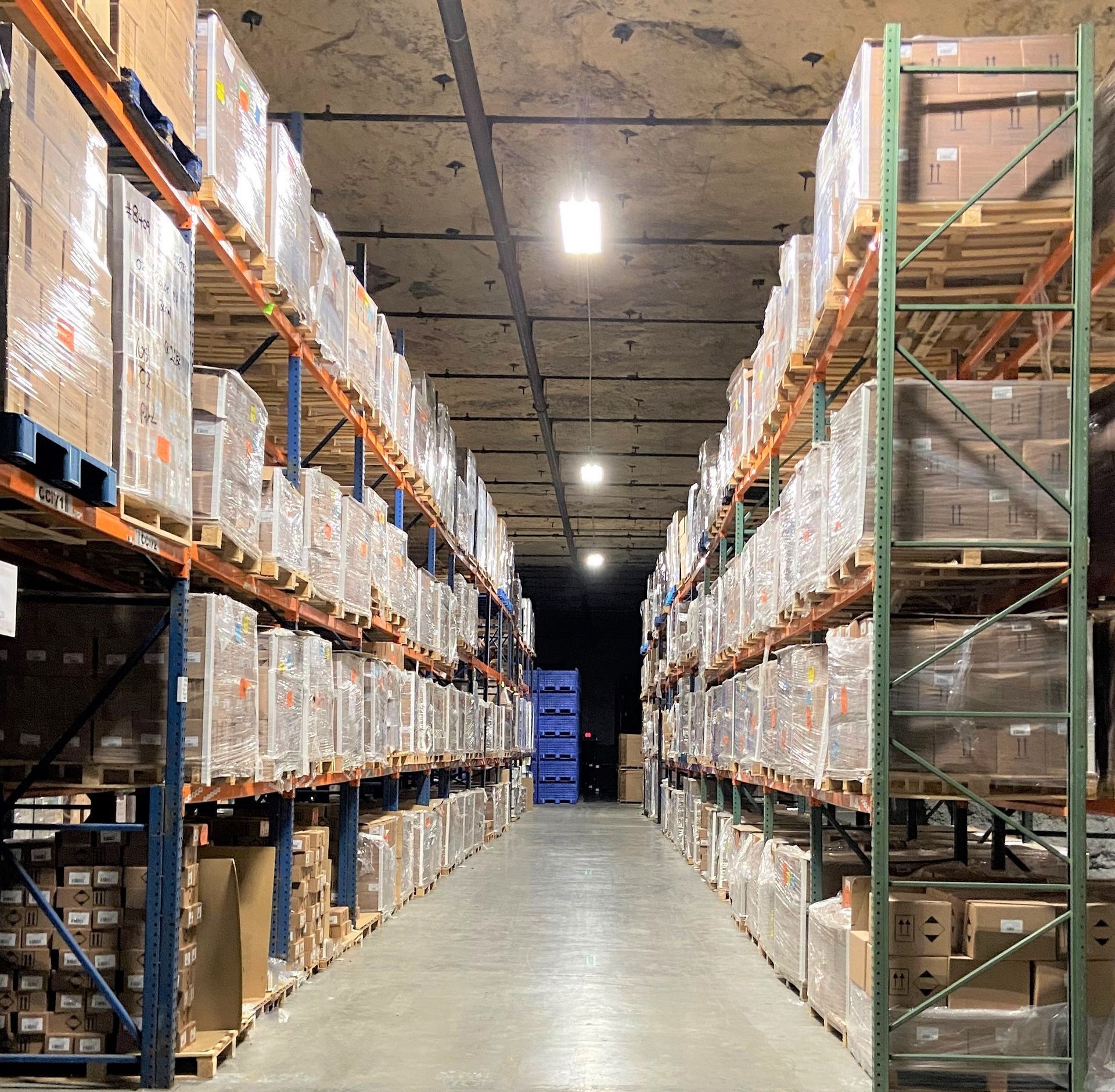
Sending inventory to a third-party logistics (3PL) provider involves more than packing cartons and arranging transportation. Before products leave your business or manufacturer, you'll need accurate SKU information, verified quantities, clear labeling, and the warehouse's receiving instructions.
If the warehouse can't identify what's arriving or how much of each product to expect, receiving can take longer than planned. And just because a shipment has been delivered doesn't mean the inventory is ready to fulfill customer orders.
Here's what to prepare before your first inbound shipment and what to check before anything leaves.
Get Your Product Information Organized First
Before shipping inventory to a fulfillment center, make sure your product records accurately describe what the warehouse will receive.
A 3PL needs to distinguish one sellable product from another. That becomes especially important when your brand offers multiple sizes, colors, scents, formulations, or package quantities.
What Product Information Should You Have Ready?
Start with:
- Product names and descriptions
- Stock keeping units (SKUs)
- Applicable product barcodes
- Expected quantities for each SKU
- Product dimensions and weights
- Units per case or carton
- Relevant handling or storage information
A SKU is an identifier your business uses to distinguish products in its inventory system. A UPC is a standardized product identifier commonly represented by a barcode. They serve different purposes, so you'll need to know which identifiers your fulfillment provider uses.
For example, if your brand sells the same moisturizer in 2-ounce and 4-ounce containers, each size needs to be distinguishable in your inventory records. Otherwise, the warehouse might receive the correct total number of units without having an accurate count of each variation.
Your inventory records also need to match what's actually on the warehouse shelves. Square1's inventory visibility and reporting resources explain why reliable inventory information matters as order volume grows.
Verify What You're Actually Sending
An inventory spreadsheet is only useful if it reflects the products physically being shipped.
Before packing inventory, compare your records with the products on hand. Check quantities by SKU and look for incorrect variations, missing components, damaged packaging, or other discrepancies.
This matters when products have been stored in multiple locations or inventory records haven't been updated consistently.
A skincare brand shipping cleansers, serums, and moisturizers, for example, should check for leaking bottles, damaged pumps, and packaging that may not hold up through handling. A supplement brand may need to verify relevant lot numbers, expiration dates, and product identification details.
Resolve what you can before shipping. Don't assume the receiving warehouse will inspect every individual product or correct discrepancies automatically. The scope of receiving inspections should be discussed with your 3PL.
How Should You Label Products and Cartons?
Products and shipping cartons need to be identifiable, but there isn't one labeling standard that applies to every 3PL.
Get the warehouse's labeling instructions before your supplier starts packing cartons.
Product labels identify individual sellable items, while carton labels help the warehouse connect incoming boxes to the expected shipment.
A carton containing 24 units of one SKU is different from a carton containing several products. Both arrangements may be acceptable, but the warehouse needs accurate information about what's inside.
If you're shipping mixed-SKU cartons, ask how the contents should be documented. The same applies to palletized shipments, where labeling and configuration requirements may differ.
Labels that worked for a retailer, manufacturer, or previous warehouse won't necessarily meet your new fulfillment provider's requirements.
Tell Your 3PL What's Coming
Even correctly labeled inventory can be difficult to receive if the warehouse doesn't know what shipment to expect.
Inbound shipment information connects the physical delivery to your inventory records.
Depending on the provider, you may need to share:
- Expected delivery date or delivery window
- Shipment reference or purchase order number
- Product SKUs and expected quantities
- Number of cartons or pallets
- Carrier and tracking information
- Packing lists or other receiving documentation
Some warehouses use an advance shipping notice (ASN), which provides information about an incoming shipment before it arrives. The required format and submission process vary by provider.
Get those details sorted out before arranging transportation. A tracking number alone may not provide enough information for receiving.
It's also worth asking whether deliveries need to be scheduled in advance, particularly if you're sending pallets or a larger freight shipment.
If Your Supplier Is Shipping Directly
Your manufacturer might be shipping directly to your new fulfillment warehouse. That's common, but it creates one important handoff: the supplier needs the warehouse's receiving instructions, not just the delivery address.
Confirm who's responsible for carton labels, packing lists, quantity verification, and shipment details.
A supplier may know exactly what it produced but not how your fulfillment provider expects that inventory to arrive.
For example, your manufacturer might ship several product variations together because that's how they're packaged after production. If the receiving warehouse expects quantities broken down by SKU, someone needs to prepare that information before the shipment leaves.
When multiple suppliers are involved, coordinate each shipment separately so the warehouse can identify what belongs to each delivery.
Make sure your supplier sends the warehouse the same shipment details you've approved.
Delivered Doesn't Always Mean Ready to Fulfill
One of the most important things to understand about 3PL inventory management is that delivery and inventory availability aren't necessarily the same event.
A carrier may mark a shipment as delivered before the warehouse has finished processing its contents.
There are four distinct stages:
- Delivery: The shipment physically reaches the warehouse.
- Receiving: The warehouse processes the incoming shipment according to its procedures.
- Reconciliation: Received products and quantities are compared with expected records, and discrepancies are addressed through the agreed process.
- Inventory availability: Products are ready for fulfillment after the warehouse completes the required receiving and system updates.
These stages may not happen simultaneously.
What Does That Look Like in Practice?
Imagine your supplier ships 500 units across three SKUs.
The freight carrier confirms delivery, but the packing list shows quantities that don't match what's identified in the cartons.
The shipment has arrived, but the discrepancy still needs to be addressed before the affected inventory can be accurately accounted for.
This matters if you're preparing for a product launch, promotion, or seasonal sales increase. Planning around the freight delivery date alone could leave you expecting inventory to be available before receiving is complete.
What Should You Ask About Receiving?
Before sending your first shipment, find out how your provider communicates shortages, overages, damaged inventory, or unidentified products.
You should also understand how you'll know when inventory has been received and is available for customer orders.
Once inventory is received and available, the next step is making sure orders can be picked, packed, and shipped accurately. That's where Square1's ecommerce fulfillment and inventory management services fit into the process.
From our Springfield, Missouri, operation, we support brands that need warehousing and order fulfillment for customers across the country.
Before Inventory Leaves: Final Checklist
Before releasing inventory to a carrier or freight provider, work through these final checks:
- Confirm product names, SKUs, and applicable barcodes are accurate.
- Verify physical quantities and identify damaged or incomplete products.
- Get the warehouse's product, carton, and pallet labeling instructions.
- Document mixed-SKU carton contents where applicable.
- Prepare packing lists and required inbound shipment information.
- Share receiving instructions with the manufacturer, supplier, or current warehouse.
- Confirm shipment details and delivery coordination with the 3PL.
- Understand how receiving discrepancies and inventory availability will be communicated.
A few cartons of apparel and several pallets of packaged supplements may have different identification, handling, and receiving considerations. Use this checklist as a starting point, then follow the instructions provided by your fulfillment warehouse.
Frequently Asked Questions
Can I Send Packaging Materials and Promotional Inserts With My Products?
Often, yes, if your fulfillment provider supports the arrangement. Brands may send branded boxes, inserts, protective materials, or other packaging components for use during fulfillment. Ask how those materials should be identified, stored, and included in packing instructions.
Can Inventory Arrive Before My Ecommerce Store Is Connected to the 3PL?
That depends on the provider's onboarding process. Some warehouses may receive inventory before all sales-channel connections are complete, but order processing may require additional setup. Confirm the sequence before scheduling your first delivery.
Should Bundles and Multipacks Have Their Own SKUs?
A bundle or multipack may need its own sellable SKU so it can be distinguished from individual products. How its inventory is tracked depends on whether it arrives preassembled, is assembled during fulfillment, or uses another supported workflow.
Can I Send Smaller Replenishment Shipments After the First Delivery?
Replenishment shipments are a normal part of outsourced fulfillment. However, minimum quantities, receiving instructions, delivery coordination, and applicable charges depend on the provider. Discuss those requirements before establishing a replenishment schedule.
Getting Ready to Send Inventory to a Fulfillment Partner?
Before your first shipment goes out, it's worth talking through your products, SKU count, sales channels, and how your inventory will arrive.
Square1 provides ecommerce fulfillment and warehousing services from Springfield, Missouri, for brands shipping nationwide.
If you're considering outsourced fulfillment, contact our team to discuss what your operation needs and whether Square1 is the right fit for your business.