What Affects E-commerce Shipping Costs, and How Can You Manage Them?
E-commerce shipping costs depend on more than product weight. Box dimensions, dimensional (DIM) weight, shipping zones, fulfillment location, service level, and additional carrier charges all influence what a business pays to deliver an order.
For ecommerce brands, managing those costs starts with understanding what's driving them. Sometimes the issue is an oversized carton. Other times, it's the distance packages travel, the shipping service being used, or charges that aren't obvious when looking at the base rate.
Before making changes to your packaging or fulfillment operation, it's worth looking at how these factors work together and where adjustments might make a difference.
Actual Weight vs. DIM Weight
One reason a lightweight ecommerce order can cost more than expected is that physical weight isn't necessarily the only weight that matters.
Actual weight is what the finished package physically weighs, including the product and packaging.
Dimensional weight, or DIM weight, is a calculated weight based on package dimensions and the space the shipment occupies.
Billable weight is the weight used to rate the shipment under the applicable carrier and service rules. Depending on those rules, dimensional weight can become the billable weight when it is greater than actual weight.
Consider a skincare brand shipping a single bottle of facial serum. The bottle is lightweight, but if it goes into a carton designed for a much larger order, the carrier may calculate a dimensional weight that's higher than the package's actual weight.
If that same carton is used for hundreds of similar orders, the packaging choice can become a recurring cost issue.
If DIM weight is driving the charge, changing the carton may be worth exploring before changing carriers.
Does Box Size Really Affect Shipping Cost?
Yes. Box size can affect shipping cost when the dimensions of the finished package result in a higher dimensional weight.
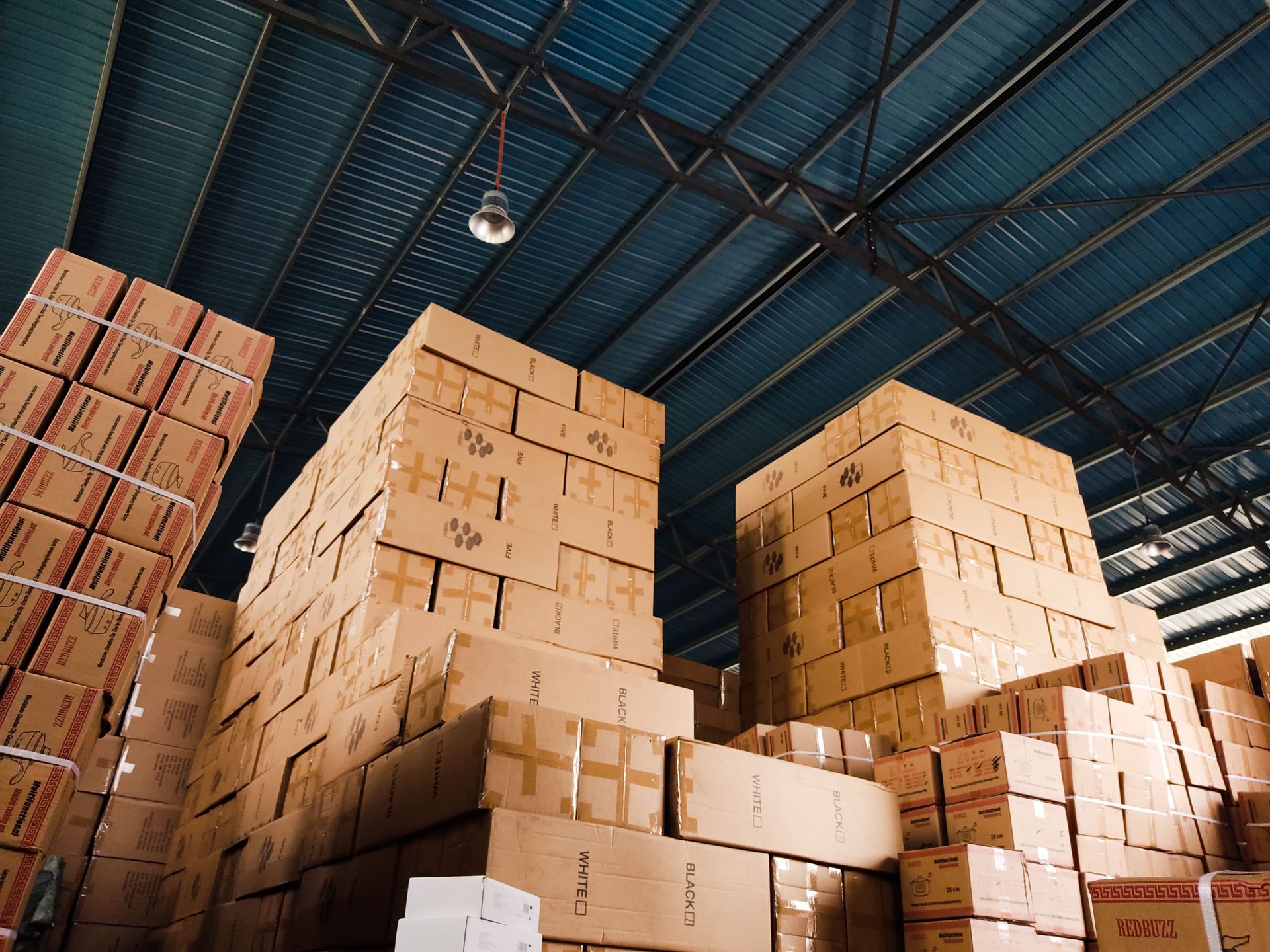
An oversized carton can leave unnecessary empty space around the product. That space may require additional void fill while increasing the dimensions used to calculate DIM weight.
The answer isn't simply to use the smallest box possible.
Fragile items, liquids, presentation-sensitive products, and other shipments still need enough room for appropriate protection. A carton that reduces shipping charges but increases product damage isn't necessarily a better choice.
The goal is right-sized packaging: a package that protects the order without creating unnecessary space.
This is also why packaging deserves attention during fulfillment planning. Square1's Smart Packing and Custom Packaging solutions address carton selection, protective materials, unused space, and product-specific packing needs.
How Shipping Zones and Distance Affect Cost
Shipping zones generally reflect how far a package travels from its origin to its destination within a carrier's network.
Two identical packages leaving the same fulfillment center can cost different amounts to deliver if one travels much farther than the other.
For example, a brand shipping from one location might find that most of its customers are concentrated in the eastern United States, while its warehouse is much farther west.
That doesn't automatically mean the company should move its fulfillment operation. But it gives the business a reason to compare actual shipping costs by destination.
Pull your last few months of orders and look at where packages are going.
Are most customers concentrated in a few regions, or are orders spread across the country?
That information matters when evaluating shipping zones, carrier services, and whether your current fulfillment location makes sense.
Don't assume a centrally located warehouse or multiple fulfillment locations will automatically reduce costs. Start with your actual order destinations.
Does Fulfillment Location Matter?
Yes. Where orders ship from affects the distance they travel to customers, which can influence transportation costs and transit planning.
The warehouse closest to your company's headquarters isn't necessarily the best location for ecommerce fulfillment.
What matters more is how the fulfillment location relates to your customers.
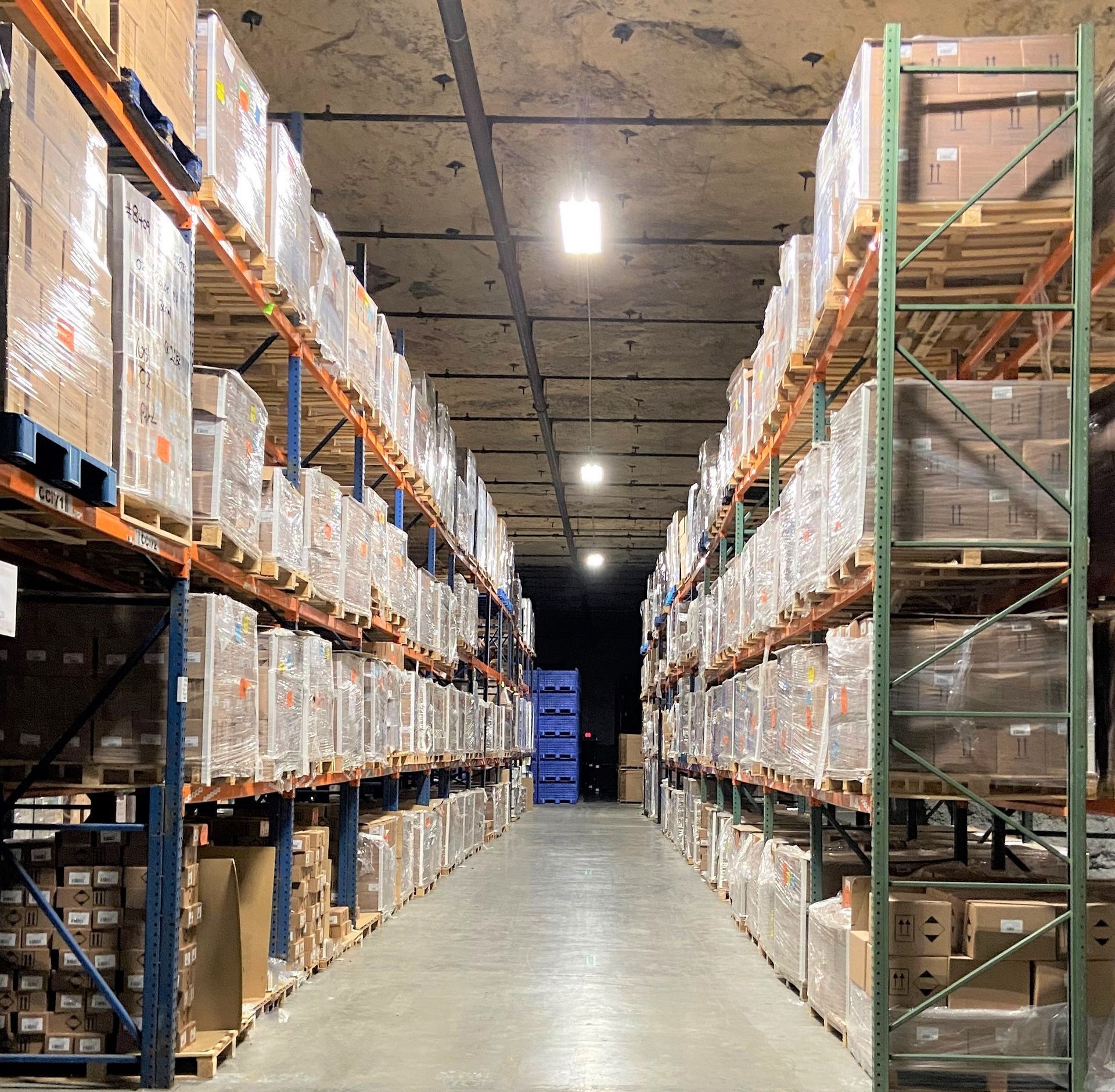
Square1 operates from Springfield, Missouri, providing a central U.S. fulfillment location for brands distributing products nationwide.
That geographic position may be worth evaluating for businesses with customers spread across multiple regions. However, it doesn't guarantee the lowest shipping cost for every order.
A brand with most of its customers concentrated on one coast may have different transportation needs than a company shipping relatively evenly across the country.
Customer distribution, order volume, shipping services, and inventory requirements should all factor into the decision.
Shipping Cost Is More Than the Base Rate
Two shipments can have the same base transportation rate and still end up with different final charges.
One may qualify for additional handling because of its dimensions, while another may incur a delivery-area surcharge.
Depending on the carrier, service, package, and destination, the final shipment charge can reflect:
- Actual or billable weight
- Package dimensions
- Shipping service
- Destination
- Additional handling charges
- Oversized-package considerations
- Residential or delivery-area surcharges
- Other carrier-specific charges
It's important to distinguish dimensional weight from surcharges.
DIM weight is used to determine billable weight under applicable carrier rules. Surcharges are separate charges that may apply because of other shipment characteristics or delivery conditions.
When reviewing shipping expenses, compare the complete charges on actual shipments rather than relying only on quoted base rates.
Where a 3PL Fits Into the Shipping-Cost Equation
Working with a third-party logistics (3PL) provider can change how your orders are packed and shipped, but outsourcing doesn't guarantee that every package will cost less to deliver.
Packaging, carrier selection, and fulfillment location are three areas worth examining when comparing providers.
Ask how packages are selected, which carriers and services are available, and how shipping options are evaluated.
Square1's ecommerce fulfillment services include pick, pack, and ship operations, along with rate shopping across UPS, FedEx, and USPS.
A better carrier rate won't necessarily fix a box that's too big for the product.
Likewise, changing fulfillment locations may affect shipping distance, but it won't automatically eliminate additional handling charges or other package-related costs.
The useful question is which parts of your current shipping expenses could realistically change under a different fulfillment arrangement.
Five Things to Review When Managing Shipping Costs
Before changing carriers or fulfillment providers, review a sample of the orders your business already ships.
1. Compare Actual Weight With Package Dimensions
Check both measurements on your most common shipments.
If dimensional weight is consistently higher than actual weight, look at whether your current packaging is larger than the products require.
2. Review Your Most Common Package Sizes
Are smaller orders regularly going into cartons with substantial unused space?
Look at your typical product combinations. Packaging that worked when your catalog was smaller may no longer be appropriate for your current order mix.
3. Look at Where Your Customers Are Located
Review order destinations over several months.
If a large percentage of packages travel long distances from your fulfillment point, compare shipping costs by destination before deciding whether a different location would make sense.
4. Review Shipping Services and Additional Charges
Look beyond the base rate.
Which shipping services are being selected? Are certain packages regularly receiving additional handling charges? Are delivery-area surcharges contributing to your costs?
The answers may point to different issues.
5. Compare the Complete Cost per Shipment
A lower base rate doesn't automatically mean a lower final shipping charge.
Compare actual costs for similar orders, including billable weight, destination, service level, and applicable surcharges.
It's also worth checking whether packaging changes affect material costs, packing time, or product protection.
Look at the Whole Order, Not Just the Shipping Rate
The lowest transportation rate isn't always the best fulfillment decision.
A damaged order or missed delivery expectation can erase whatever you saved on postage. Packaging still needs to protect the product, and shipping services need to meet reasonable customer expectations.
When evaluating fulfillment costs, look at what it takes to pack and deliver the complete order, not just the carrier's base rate.
Frequently Asked Questions
Does Free Shipping Mean Shipping Is Actually Free?
No. Transportation and fulfillment costs still exist. A business may absorb those expenses, incorporate them into product pricing, establish a minimum order threshold, or structure the offer another way.
Do Poly Mailers Cost Less to Ship Than Boxes?
They can for appropriate products because a mailer may reduce packaging weight and dimensions. However, mailers aren't suitable for every shipment. Product protection, package contents, and applicable carrier requirements still matter.
Does Shipping Farther Always Cost More?
Not necessarily. Distance can influence shipping rates, but package characteristics, shipping service, carrier pricing, and additional charges also affect the final cost. A farther shipment won't always cost more than a closer one.
Should an Ecommerce Brand Use One Box Size for Every Order?
Not necessarily. A single oversized carton can create unnecessary empty space for smaller orders, while maintaining too many packaging variations can add operational complexity.
The right packaging assortment should reflect the products and typical order combinations being shipped.
Want a Better Picture of Your Shipping Costs?
If you're comparing fulfillment options, bring your typical order sizes, packaging requirements, and shipping destinations into the conversation.
At Square1, we handle ecommerce fulfillment from Springfield, Missouri, including packing, shipping, and carrier rate shopping.
Talk with our team about your order profile and whether our services make sense for your business.